1.Origin of the name
The name “Korea”has a fascinating historical origin. It derives from Goryeo, a kingdom that existed from 918 to 1392 AD, located in the Korean Peninsula. The name Goryeoitself comes from the Goguryeo kingdom, which was one of the Three Kingdoms of Korea (along with Baekje and Silla) and existed from 37 BC to 668 AD.
The pronunciation of Goryeoover time evolved into Koreawhen it was transliterated into Western languages. The term was used by Westerners after the fall of Goryeo and began to represent the whole region, eventually becoming the modern name “Korea.”
So, the name “Korea” is a historical reference to the Goryeo kingdom, which was known for its cultural advancements and strong influence in East Asia during its time.
2. The Korean Flag
The Korean flag, known as the Taegeukgi (태극기), has deep symbolism rooted in Korean philosophy and culture. Here’s a breakdown of its elements:
Design & Elements
- White Background
- Represents peace and purity.
- Central Circle (Taegeuk, 태극)
- A red and blue circle split in a swirling shape.
- Red (upper half): Yang (positive cosmic forces)
- Blue (lower half): Eum (Yin, negative cosmic forces)
- Together they symbolize balance and harmony in the universe.
- Four Black Trigrams (괘, Gwae)
Located in each corner of the flag. These are derived from the I Ching (Book of Changes) and represent different elements and concepts:- ☰ (Geon, top left): Heaven, spring, east, humanity, father
- ☷ (Gon, bottom right): Earth, summer, west, justice, mother
- ☵ (Gam, top right): Water, winter, north, intelligence, son
- ☲ (Li, bottom left): Fire, autumn, south, courtesy, daughter
Meaning
The Taegeukgi as a whole represents:
- The harmony of opposites (yin and yang),
- The principles of movement and change,
- Unity and balance within nature and society

3. The Capital City of Korea
The capital city of South Korea is Seoul. It is the biggest city in the country and one of the most important cities in Asia. More than 9 million people live there, and about half of all South Koreans live in or near Seoul.
Seoul is a modern and busy city with tall buildings, fast internet, and advanced technology. But at the same time, it also has many old palaces, temples, and traditional houses that show Korea’s long history. One famous place is Gyeongbokgung Palace, which was built hundreds of years ago.
The city is full of interesting things to do. You can shop in big malls, visit museums, eat Korean food, and enjoy K-pop music and culture. Seoul is also known for areas like Gangnam, Hongdae, and Insadong, each with its own unique vibe.
Seoul is the center of government, business, and culture in South Korea. It is a place where the old and new come together in a very exciting way.
4. History and Independence
Korea’s history and path to independence is long, complex, and deeply tied to both regional and global dynamics. Here’s a high-level summary of the key events and eras, especially focusing on the independence movement:
Early History and Dynasties
- Three Kingdoms (1st century BCE–7th century CE): Goguryeo, Baekje, and Silla fought for dominance.
- Unified Silla (668–935) and Goryeo Dynasty (918–1392) followed, with Goryeo giving Korea its modern name.
- Joseon Dynasty (1392–1897): A long period of Confucian rule, cultural development, and relative stability.
Korean Empire and Loss of Sovereignty
- 1897–1910: The Korean Empire declared independence from China’s Qing Dynasty influence, modernized its government, and tried to assert sovereignty.
But due to growing Japanese power in the region, Korea was increasingly pressured and manipulated. - 1910: Korea was annexed by Japan and became a colony.
- Independence Movement (1910–1945)
- Japanese Colonial Rule (1910–1945) was harsh—Koreans faced cultural suppression, forced labor, and political repression.
- March 1st Movement (1919): One of the most significant peaceful protests for independence, which was brutally suppressed by Japan but sparked global attention and a stronger resistance spirit.
- Provisional Government of Korea (1919): Formed in Shanghai by exiled activists, it coordinated international lobbying and resistance efforts.
- Guerrilla resistance: Groups like Korean Liberation Army, often allied with Chinese or Soviet forces, fought Japanese troops.
- Cultural resistance: Writers, scholars, and students preserved Korean identity through literature, education, and underground schools.
- World War II and Liberation
- As Japan lost World War II, Korea was liberated in 1945after Japan’s surrender to Allied Forces.
- However, instead of unified independence, Korea was divided:
- Soviet Union occupied the North
- United States occupied the South
5. Government
The Government of South Korea operates as a democratic republic, with the President serving as both head of state and government. The President is elected by the people and holds significant executive power, including leading the military and setting national policy.
The National Assembly, consisting of 300 members elected by the people, serves as the legislative branch. It makes laws, approves the budget, and provides checks on the executive branch.
South Korea’s government is based on the Constitution of 1948, which guarantees popular sovereignty, individual rights, and the rule of law. It ensures a system of checks and balances, with power divided between the executive, legislative, and judicial branches.
6. Official Language
Korean, known as Hanguk-eo (한국어) by its speakers, is the official language of South Korea, with over 50 million speakers in the country and millions more worldwide. Its origins are debated, with some suggesting a connection to the Altaic language family, though this theory remains controversial. Regardless of its ancestry, Korean is generally considered a language isolate, meaning it has no close relatives in other language families.
The Korean writing system is unique and is based on the Hangul (한글) script, which was created in the 15th century by King Sejong the Great and his scholars. Hangul is a featural alphabet consisting of 14 basic consonants and 10 vowels. These letters are combined into syllabic blocks, with each block representing one syllable. The design of Hangul is highly systematic and was developed to be easy to learn and use. While the use of Hanja (漢字), Chinese characters, was historically common for many words and meanings, Hangul has become the dominant script in South Korea today, especially in everyday writing and modern communication.
7. Business Culture
South Korean business culture blends respect for hierarchy with a fast-paced, modern work environment. Relationships are key, and trust is built over time, often through social interactions. Meetings are formal, with senior executives having the final say. Punctuality is crucial, and business cards are exchanged with both hands.
Communication tends to be indirect, and nonverbal cues are important for understanding meaning. Business meals are central to relationship building, involving toasts and shared drinks—pouring drinks for others is a sign of respect. Proper etiquette is vital for forging strong business connections.
8. Korean Demographics
South Korea’s demographics present a similar set of challenges. With a population of about 51 million, it is one of the most densely populated countries in the world. However, South Korea faces a declining birth rate, currently at 0.8 births per woman, one of the lowest in the world. This is contributing to a shrinking population, and like Japan, South Korea has an aging demographic, with a high life expectancy of around 83 years. The median age is 43.7 years, steadily increasing over time.
These demographic trends put pressure on the workforce, social security systems, and healthcare. Labour shortages are emerging in certain industries, while younger generations struggle with the financial burden of supporting an aging population. Despite these challenges, South Korea boasts a highly educated and technologically advanced society, with a strong emphasis on innovation and economic growth.
9. Time Zone
South Korea observes a single time zone, Korea Standard Time (KST). KST is 9 hours ahead of Coordinated Universal Time (UTC), similar to Japan. This means when it’s midday in South Korea (12:00 PM KST), it’s 3:00 AM UTC on the same day. Like Japan, South Korea does not observe daylight saving time (DST), so the time difference between South Korea and other countries will vary depending on whether they are observing DST at that particular time.
10. Climate
South Korea experiences a distinct four-season climate, with significant variations across the country due to its diverse geography. The climate ranges from cold and dry winters in the north to more temperate, humid conditions in the south.
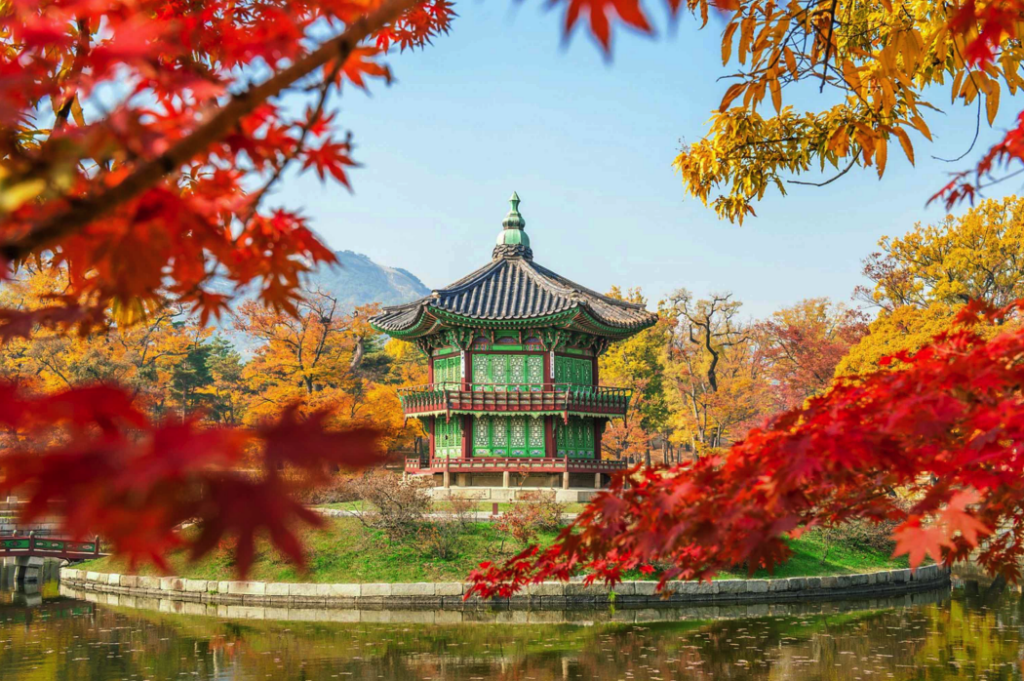
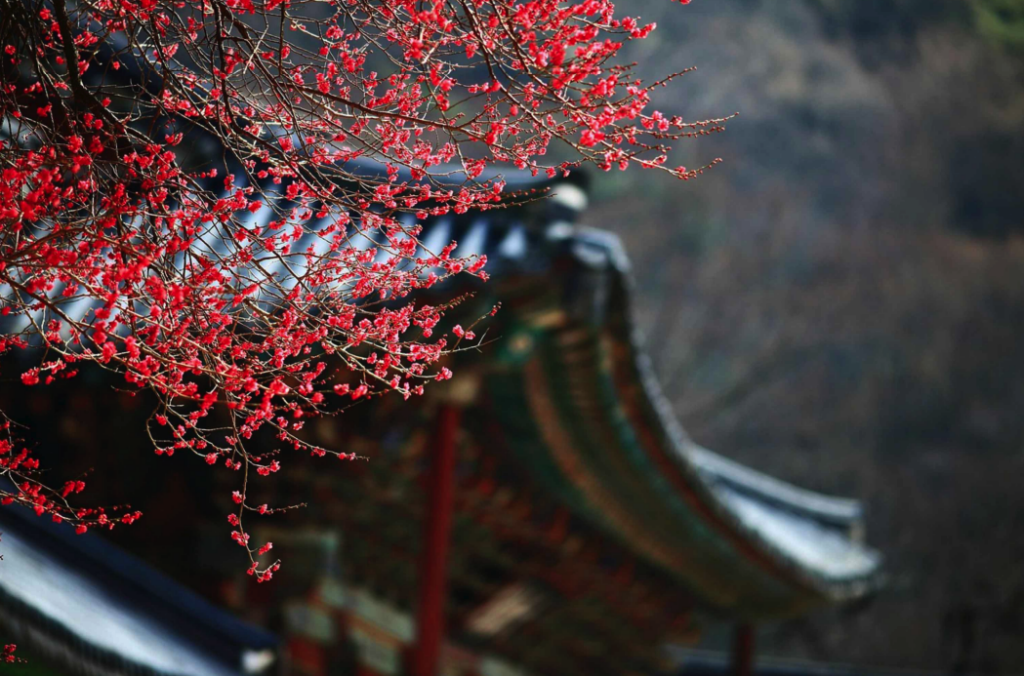
Spring (March to May) is mild and pleasant, with cherry blossoms in full bloom. Summer (June to August) is hot and humid, marked by a rainy season in late June to late July. Fall (September to November) brings cool temperatures and beautiful autumn foliage, making it one of the most scenic seasons. Winter (December to February) can be harsh, especially in the northern and inland regions, with cold temperatures and occasional snow. The southern coastal areas experience milder winters.
Overall, South Korea’s climate is marked by clear seasonal changes, with a mix of continental and maritime influences, leading to regional climate differences.
11. Borders Of Korea
South Korea, officially known as the Republic of Korea, is located on the southern part of the Korean Peninsula in East Asia. It shares a land border only with North Korea to the north, demarcated by the heavily fortified Korean Demilitarized Zone (DMZ). To the west, across the Yellow Sea, lies China, with whom South Korea shares a maritime border. To the south, South. Korea’s coastline faces the Korea Strait, beyond which lies Japan. To the east, across the Sea of Japan (also known as the East Sea), South Korea also shares maritime borders with Japan.
12. Size of Korea
South Korea, occupying the southern portion of the Korean Peninsula, has a total land area of approximately 100,210 square kilometers (38,691 square miles), making it the 107th largest country in the world by total area. For reference, this is about 25% of the size of California. Though relatively small in landmass, South Korea has an extensive coastline of around 2,413 kilometers (1,499 miles), shaped by its rugged terrain and numerous peninsulas and islands, particularly along its southern and western coasts.
13. Religion
South Korea’s religious landscape is diverse and dynamic. Unlike countries with a single dominant religion, South Korea embraces a variety of spiritual traditions. The primary faiths are Buddhism and Christianity, both of which have played significant roles in shaping the nation’s culture and values. Buddhism, with roots in ancient Korean kingdoms, emphasizes meditation, compassion, and inner peace. Its presence is marked by serene temples and annual rituals, especially in the countryside. Christianity, introduced in the 18th century and growing rapidly in the 20th, is influential in modern urban life. It contributes to education, social services, and public discourse.
Interestingly, many South Koreans also engage with traditional Confucian values, which shape family, ethics, and respect for elders. This blend of beliefs reflects a cultural openness to multiple spiritual paths and a strong focus on both personal and communal harmony.
14. Korean Currency
The official currency of South Korea is the won, denoted by the symbol ₩ and the code KRW. It is the 10th most traded currency in the world and plays an important role in the global economy.
The won’s history dates back to the 19th century, with the introduction of the modern won in 1945 following the end of Japanese rule. The won was initially pegged to the US dollar but has since become a free-floating currency. In everyday use, the won is seen in both coins and banknotes. Coins come in denominations of 1 won, 5 won, 10 won, 50 won, 100 won, and 500 won, while banknotes are available in 1,000 won, 5,000 won, 10,000 won, and 50,000 won denominations. The currency symbol ₩ is derived from the Korean word “won,” and the currency’s value is influenced by both domestic economic policies and international trade. The South Korean won is recognized for its stability and importance in East Asian markets.
15. Exchange Rate Dynamics
South Korea’s exchange rate fluctuates based on economic factors like inflation, interest rates, and trade balance. As of today (27/12/23), 1 GBP is approximately ₩1,622.62. The won’s value is influenced by both domestic policies and global market conditions, with the Bank of Korea intervening to maintain stability, particularly due to the country’s export-driven economy.
16. Practical Tips for Using Korean Won
Cash vs. Cards:While credit cards are widely accepted in South Korea, cash is still common for smaller purchases, especially in markets and street vendors. It’s advisable to carry enough won for everyday expenses, though larger stores and restaurants generally accept cards. ATMs are easily found, especially at convenience stores like GS25, CU, and 7-Eleven, which provide international ATM services.
Tipping Etiquette:Tipping is not customary in South Korea and can be considered unnecessary. Service charges are typically included, and offering a tip may be seen as awkward. If you wish to show appreciation, a small gift is a more appropriate gesture.
Exchange Options:Exchanging some currency before your trip can be convenient. Airports and major banks offer exchange services, but rates may not be the best. ATMs are an alternative, but check with your bank for any international withdrawal fees.
Safety and Security:Keep your cash in a secure wallet or money pouch and avoid displaying large sums in public. Using a prepaid travel card can offer added security and may provide better exchange rates.
17. Korean Food
Korean gastronomy, also known as Hansik, is a vibrant and diverse cuisine that has evolved over thousands of years. It emphasizes bold flavors, fresh ingredients, and a balance of textures.
Iconic dishes:
- Kimchi: Kimchi is a fermented vegetable dish, typically made with cabbage and radishes, flavored with garlic, ginger, and chili pepper. It’s a staple of Korean meals.
- Bibimbap: Bibimbap is a mixed rice dish topped with vegetables, a fried egg, and usually some kind of meat (often beef), served with spicy gochujang (red chili paste).
- Bulgogi: Bulgogi is marinated beef that is grilled or stir-fried, typically served with rice and vegetables.
- Samgyeopsal: Samgyeopsal is a popular BBQ dish where thick slices of pork belly are grilled at the table and eaten with a variety of sides like lettuce, garlic, and ssamjang (a thick, spicy paste).
- Kimchi Jjigae: Kimchi jjigae is a stew made with aged kimchi, tofu, pork, and vegetables, offering a tangy and spicy flavor.
- Japchae: Japchae is a savory-sweet dish made with stir-fried glass noodles, vegetables, and sometimes meat or seafood.
- Tteokbokki: Tteokbokki is a spicy-sweet dish made with chewy rice cakes and a savory sauce, often served as a street food snack.
- Jajangmyeon: Jajangmyeon is a noodle dish with a black bean paste sauce, typically served with pork and vegetables.
- Sundubu Jjigae: Sundubu jjigae is a hot, spicy stew made with uncurdled tofu, vegetables, sometimes seafood or meat, and gochujang or gochugaru (chili flakes).
- Banchan: Banchan refers to the various side dishes served with every Korean meal, including kimchi, pickled vegetables, and small portions of stews or pancakes.
- Hoddeok: Hoddeok is a sweet pancake filled with brown sugar, honey, and nuts, often served during the winter months as a warm street food snack.
18. Things to do and See in Korea
South Korea offers a diverse array of activities and attractions, catering to both the adventurous traveler and those seeking a more laid-back experience. Here’s a breakdown of some of them:
“Nature and Parks”:
South Korea is home to a wealth of national parks and natural wonders, offering stunning landscapes, diverse wildlife, and a variety of outdoor activities. Here’s a look at some of the most notable parks and natural areas:
- Seoraksan National Park: Seoraksan National Park, located in the northeastern part of South Korea, is famous for its dramatic mountain peaks, crystal-clear streams, and diverse plant life. The park’s most iconic feature is Seoraksan (Mount Seorak), known for its stunning granite peaks and vibrant foliage, especially in autumn. The park also offers numerous hiking trails, including a popular route to the summit of Daecheongbong Peak. Visitors can explore tranquil temples like Sinheungsa and enjoy picturesque waterfalls such as Biryong Falls. Established in 1970, Seoraksan National Park is a UNESCO Biosphere Reserve and is one of the most visited parks in South Korea.
- Jirisan National Park: As one of the largest and oldest national parks in South Korea, Jirisan National Park stretches across three provinces: Gyeongsangnam-do, Jeollanam-do, and Jeollabukdo. Home to Mount Jiri, the second-highest mountain in the country, Jirisan offers a range of hiking options, from gentle walks to challenging mountain trails. The park is also a haven for wildlife, with rare species like the Korean black bear inhabiting its forests. The park is known for its rich cultural heritage, with Buddhist temples such as Hwaeomsa providing insight into South Korea’s religious traditions. Jirisan National Park is also famous for its stunning views, especially during the spring and autumn seasons.
- Bukhansan National Park: Located just north of Seoul, Bukhansan National Park is a popular destination for city dwellers seeking an escape into nature. The park features rugged mountains, dense forests, and a variety of wildlife. The peaks of Bukhansan offer sweeping views of the capital city and the surrounding areas. Popular hiking trails lead to the summit of Baegundae Peak, the highest point in the park, where visitors can enjoy panoramic views. The park is also home to historical sites, including ancient fortress walls and Buddhist temples.
- Hallyeohaesang National Park: Situated along the southern coast of the Korean Peninsula, Hallyeohaesang National Park is known for its scenic coastal landscapes and clear waters. The park includes the Hallyeo Archipelago, a series of islands and islets that offer pristine beaches, beautiful cliffs, and vibrant marine life. The park is a popular spot for boat tours, fishing, and water activities. Additionally, the area is rich in cultural history, with historic sites like the Goseong Unification Observatory, offering views of North Korea’s coast.
- Jeju Island: Jeju Island is a volcanic island located to the south of the mainland and is one of South Korea’s most famous tourist destinations. Known for its unique landscapes, Jeju offers everything from lush forests and waterfalls to volcanic craters and beaches. The island’s most iconic feature is Hallasan, a shield volcano that rises 1,947 meters above sea level. Jeju is also home to several UNESCO World Heritage Sites, including the Jeju Volcanic Island and Lava Tubes, which feature stunning underground caves formed by ancient volcanic activity.
- Namsan Park: Namsan Park, located in the heart of Seoul, is a lush green space offering a peaceful retreat from the hustle and bustle of the city. The park is famous for its Namsan Seoul Tower (NSeoul Tower), which offers panoramic views of the city. Visitors can enjoy walking trails, gardens, and cultural sites like the Namsangol Hanok Village, where traditional Korean houses are preserved
- Dadohaehaesang National Park: Located on the southwest coast of the Korean Peninsula, Dadohaehaesang National Park is known for its spectacular coastal scenery, including cliffs, beaches, and islands. The park includes over 1,400 islands and islets, making it the largest marine national park in South Korea. Visitors can enjoy boat rides, hiking, and exploring the remote islands, many of which are home to rare flora and fauna. The park is also a popular spot for birdwatching.
- Yangsan Mount Baekdu: Located in Gyeongsangnam-do, Yangsan Mount Baekdu offers beautiful landscapes and rich cultural significance. Known for its serene environment, this park is a popular destination for hiking and nature walks, especially during the spring and autumn months. The
area features temples, traditional pavilions, and breathtaking views of the surrounding mountains
and valleys. - Municipal Parks and Gardens: South Korea is home to numerous city parks and gardens that offer beautiful spots for relaxation. Some of the most famous include Seoul’s Hangang Park, which stretches along the Han River and provides recreational activities like cycling, boating, and picnicking, and the beautiful gardens of the Changdeokgung Palace, a UNESCO World Heritage site in Seoul, known for its secret garden.
- Temple Gardens: Many Buddhist temples in South Korea feature tranquil gardens, such as the beautiful temple grounds of Bulguksa in Gyeongju and Jogyesa Temple in Seoul. These gardens are designed to promote peace and reflection, providing visitors a serene atmosphere to appreciate nature and spiritual traditions.
“Culture and History”
Seoul – South Korea’s vibrant capital city, a perfect mix of modernity and tradition.
Gyeongbokgung Palace:
Located in the heart of Seoul, Gyeongbokgung is the largest and most iconic of the five grand palaces built during the Joseon Dynasty (1392–1897). The palace was originally constructed in 1395 but has been rebuilt several times after suffering from fires and invasions. The palace is a symbol of the grandeur of the Joseon era and is home to the National Palace Museum of Korea and the National Folk Museum of Korea. The changing of the guard ceremony at the main gate is a popular event, showcasing the vibrant history of Korea. The architecture of Gyeongbokgung is also a prime example of traditional Korean design, with symmetrical layouts and elegant rooftops. The Bukchon Hanok Village, nearby, offers a glimpse into traditional Korean life, with well-preserved hanok houses.
Changdeokgung Palace:
A UNESCO World Heritage Site, Changdeokgung is known for its stunning Secret Garden (Huwon), a tranquil space with ponds, pavilions, and lush greenery. Unlike other palaces, Changdeokgung was built with consideration to the natural landscape, blending seamlessly with its surroundings. It was the preferred palace for many Joseon kings due to its beauty and harmonious design. The palace and its gardens are a serene escape from the hustle and bustle of the city, making it a popular cultural site in Seoul.
Namsan Seoul Tower:
Standing at 236 meters above the city, Namsan Seoul Tower offers panoramic views of Seoul. It is one of the most recognizable landmarks in the city. The tower is particularly famous for the “Locks of Love” on its railings, where couples attach padlocks as a symbol of eternal love. The tower itself has a history dating back to 1969 and is a symbol of South Korea’s rapid modernization and progress.
Gyeongju – Often referred to as the “museum without walls.”
Bulguksa Temple:
A UNESCO World Heritage Site, Bulguksa is one of the most important Buddhist temples in Korea.
Built in the 8th century during the Silla Kingdom, the temple is known for its beautiful architecture, serene ponds, and stone pagodas. The temple embodies the artistic achievements of the Silla Dynasty and offers insight into the country’s deep-rooted Buddhist heritage. The Dabotap and Seokgatappagodas are prime examples of Buddhist architectural excellence.
Seokguram Grotto:
Located on Mount Tohamsan, the Seokguram Grotto houses a majestic granite statue of the Buddha, dating back to the 8th century. It’s a masterpiece of Silla art and architecture, blending traditional Buddhist iconography with the natural landscape. The grotto is also a UNESCO World Heritage Site and provides a peaceful retreat for those seeking to experience Korea’s spiritual heritage.
Cheomseongdae Observatory:
Dating back to the 7th century, Cheomseongdae is the oldest surviving astronomical observatory in East Asia. It was used during the Silla Dynasty to observe celestial bodies and track the passage of time. The observatory is a testament to Korea’s advanced knowledge of astronomy and science, even during ancient times.
Busan – A bustling port city with a rich maritime culture.
Haedong Yonggungsa Temple:
Situated on the coast of the Sea of Japan, Haedong Yonggungsa is a unique Buddhist temple, offering stunning views of the ocean. The temple was founded in 1376 and is dedicated to the Goddess of Mercy. Unlike most Korean temples, which are located in mountains, Haedong Yonggungsa’s coastal setting adds to its peaceful atmosphere and makes it a popular destination for both tourists and local worshippers.
Gamcheon Culture Village:
This colorful hillside village is known for its vibrant, pastel-painted houses, creative street art, and narrow winding alleys. Initially built by refugees during the Korean War, Gamcheon has transformed into a thriving cultural hub with art galleries, cafes, and small shops. It’s a beautiful example of how South Korea blends tradition and modern creativity.
Jeonju – The birthplace of bibimbap and a hub for traditional Korean culture.
Jeonju Hanok Village:
Jeonju Hanok Village is home to over 800 traditional hanokhouses, showcasing the elegance of Korea’s traditional architecture. Visitors can explore the village on foot, experiencing the charm of old Korea, with its thatched roofs, wooden beams, and beautiful gardens. The village is also known for its delicious bibimbap, a traditional Korean rice dish, and offers a variety of cultural experiences such as traditional tea ceremonies, hanbok (Korean traditional clothing) rentals, and pottery making.
Jeondong Catholic Church:
This iconic church, built in 1908, combines Gothic and traditional Korean architectural styles, reflecting the country’s rich history of Christianity. The church is particularly beautiful when lit up at night, and it provides an interesting juxtaposition to the other traditional structures in Jeonju.
Incheon – A city with a blend of modern development and historical significance.
Incheon Chinatown:
Founded in 1883, Incheon Chinatown is the oldest and largest Chinatown in Korea. The area is known for its colorful streets, traditional Chinese architecture, and delicious Chinese-Korean fusion cuisine. The Chinatown Museum provides insight into the history of Chinese immigrants in Korea, and the area hosts cultural festivals, making it a lively, multicultural hub.
Songdo International Business District:
Often referred to as a “smart city,” Songdo is a modern, high-tech district built on reclaimed land. It’s an example of South Korea’s innovative approach to urban planning and sustainability. The district features green spaces, cutting-edge architecture, and a globalized atmosphere, making it a fascinating place to visit for those interested in South Korea’s future.
Jeju Island – Known for its natural beauty and mythical legends.
Seongsan Ilchulbong (Sunrise Peak):
A UNESCO World Heritage Site, Seongsan Ilchulbong is an ancient volcanic cone that rises dramatically from the sea. The peak offers breathtaking sunrise views, making it a popular spot for early risers. The crater is surrounded by lush fields, creating a striking contrast between the volcanic rock and the greenery.
Manjanggul Cave:
A UNESCO-listed site, Manjanggul is one of the longest lava tubes in the world, stretching over 7 kilometers. Visitors can walk through parts of the cave and experience the geological wonders formed by volcanic activity. The cave is home to impressive stalactites, stalagmites, and unique lava formations.
Haeinsa Temple – A significant spiritual and historical site.
Haeinsa Temple:
Founded in 802, Haeinsa is one of Korea’s most important Buddhist temples and a UNESCO World Heritage Site. It houses the Tripitaka Koreana, a collection of over 80,000 wooden blocks carved with the complete Buddhist scriptures. The temple is a symbol of Korea’s Buddhist heritage and is set in the serene beauty of Mount Gaya.
South Korea’s culture and historyare deeply rooted in its traditions, which continue to influence its modern developments. From ancient palaces and temples to bustling modern cities and stunning natural landscapes, the country offers a rich and diverse cultural experience. Whether exploring UNESCO World Heritage Sites or vibrant local markets, South Korea provides a fascinating journey through its past and present.
“Thrills and Entertainment”:
Everland, Yongin: South Korea’s largest theme park, Everland, is located in Yongin, just outside of Seoul, and offers a thrilling mix of rides, attractions, and seasonal events. With both exhilarating roller coasters and family-friendly rides, Everland is a top destination for entertainment seekers.
Here are some of the exciting rides you can experience:
- T Express – Known for being one of the steepest wooden roller coasters in the world, the T Express offers a heart-pounding ride with rapid descents and high-speed twists, delivering pure adrenaline.
- Amazon Express – This water ride takes you through the jungle, navigating through waterfalls and rapids, ending with a thrilling splashdown that will leave you drenched but exhilarated.
- Viking – A classic ride that swings riders back and forth in a giant arc, providing a mix of thrills and nausea-inducing excitement as you soar high above the park.
- Euro-Space – A spinning space ride that whirls you around as you’re lifted into the air, offering both thrills and a fantastic view of the entire park.
- Lotte World, Seoul: Situated in the heart of Seoul, Lotte World is an indoor and outdoor theme park that offers year-round entertainment and excitement. The park features a variety of thrilling rides, parades, and attractions suitable for all ages. Here are some of the exhilarating rides you can experience:
- Atlantis – A high-speed roller coaster that features dramatic drops, loops, and twists, all set against a stunning backdrop of futuristic buildings and themed environments.
- Flume Ride – A classic water-based ride that provides thrills as you navigate through twists, turns, and rapid waterfalls before a big splashdown.
- Lotte World Adventure – The outdoor section of Lotte World features additional rides, including the Gyro Drop, a tower ride that drops you at lightning speed from an impressive height, giving you a moment of pure weightlessness.
- Namsan Seoul Tower & Cable Car, Seoul: For those seeking a more scenic thrill, the Namsan Seoul Tower offers stunning views of the city combined with an exhilarating cable car ride to the top. The Namsan cable car provides breathtaking views as it ascends the mountain, offering a relaxing yet thrilling experience with panoramic views of Seoul. At the tower’s peak, you can enjoy the 360-degree observation deck, which offers one of the best views in the city.
- Korean Demilitarized Zone (DMZ) Tours: While not a typical “theme park,” a trip to the DMZ is a thrilling and unique experience for those interested in history and geopolitical intrigue. Visitors can tour the area between North and South Korea, including sites like the Third Infiltration Tunnel, the Dora Observatory, and the Joint Security Areawhere visitors can step into the North Korean border zone. It’s a mix of history, education, and an exhilarating sense of curiosity about the division between the two countries.
- Gyeongju World, Gyeongju: Located in the historical city of Gyeongju, this theme park combines modern thrills with the ancient charm of the city. Here are some of the top attractions:
- Double Loop Coaster – This steel coaster offers exciting loops and twists that send you soaring through the air with intense g-forces.
- Giant Drop – A sheer vertical drop that plummets at high speed, giving riders a sense of weightlessness before gravity takes over.
- Spinning Coaster – A unique roller coaster that spins in multiple directions while you are being propelled forward, offering an unpredictable and thrilling ride.
- Taean Coastline (Taean): For those looking for a natural thrill, the Taean Coastline offers a beautiful and rugged landscape for outdoor adventures. From hiking along cliffs to kayaking and windsurfing in the clear waters, the area offers plenty of excitement for nature lovers and adventure enthusiasts.
“Relaxation and Leisure”:
Jeju Island: Located off the southern coast of South Korea, Jeju Island is a paradise known for its stunning natural beauty and relaxing atmosphere. A UNESCO World Heritage site, Jeju is famous for its unique volcanic landscapes, including Hallasan, South Korea’s highest peak, and the lava tubes that wind beneath the surface. The island’s coastal beauty is equally captivating, with whitesand beaches, dramatic cliffs, and crystal-clear waters. In addition to outdoor activities like hiking, cycling, and water sports, Jeju offers a peaceful retreat with its tranquil tea fields and serene waterfalls. Visitors can unwind at local spas or explore the island’s traditional folk villages, where they can experience the island’s rich culture and history. Jeju is also home to beautiful botanical gardens and parks, such as the Jeju Herb Garden, offering a calm escape from the hustle and bustle of city life.
Yangpyeong: Just an hour outside of Seoul, Yangpyeong is a charming rural destination that offers a perfect blend of relaxation and nature. The town is known for its tranquil rivers, rolling hills, and beautiful landscapes. It is particularly famous for its peach orchards, and visitors can enjoy peachpicking during the harvest season. Yangpyeong is also home to the Dumulmeori, where the Bukhan and Namhan rivers meet, offering a peaceful atmosphere perfect for hiking or boating. The area also features traditional Korean temples, such as the Beomeo Temple, where visitors can practice mindfulness and enjoy the serenity of the surroundings. Local restaurants offer organic and healthy meals, making it a wonderful spot for wellness tourism.
Gyeongju: Known as “the museum without walls,” Gyeongju, located in the southeastern part of South Korea, is a city that combines relaxation with cultural exploration. It was once the capital of the ancient Silla Kingdom, and today it’s home to several UNESCO World Heritage Sites, including Bulguksa Temple and Seokguram Grotto. For those seeking leisure, the city’s tranquil atmosphere, beautiful parks, and historical sites provide an ideal setting for relaxation. Visitors can take leisurely strolls around Anapji Pond, a beautiful artificial pond surrounded by lush greenery, or enjoy a peaceful bicycle ride along the city’s quiet roads. Gyeongju’s therapeutic hot springs, such as the ones in the Bomun Lake area, offer the perfect way to unwind after a day of sightseeing.
Pyeongchang: Famous for hosting the 2018 Winter Olympics, Pyeongchang, in the mountainous Gangwon Province, offers a perfect destination for both adventure and relaxation. In the winter, it’s a hotspot for skiing, snowboarding, and other winter sports, but the area also offers yearround leisure activities. Visitors can enjoy peaceful hikes along the scenic Odaesan National Park, relax at luxurious resorts like Yongpyong Resort, or indulge in the region’s famous spa treatments. The area’s lush forests and clear mountain streams provide a tranquil environment, while the local cuisine, including famous dishes like Pyeongchang buckwheat noodles, offers a comforting way to enjoy the region’s rustic charm.
Suwon: Known for its historical significance, Suwon, located just south of Seoul, is a city where relaxation meets cultural heritage. The city is home to Hwaseong Fortress, a UNESCO World Heritage Site, where visitors can take relaxing walks along its impressive walls and explore traditional Korean architecture. Suwon also offers a peaceful retreat with its beautiful gardens, such as the Korean Folk Village, where visitors can experience life as it was during the Joseon Dynasty. The city is famous for its delicious local food, such as Suwon galbi (grilled short ribs), which can be enjoyed in a relaxed, traditional setting.
“Festivals and Events”:

Spring (March-May)
Jinhae Cherry Blossom Festival (Jinhae): Held in early April, this iconic festival showcases over
300,000 cherry trees in full bloom. Visitors can stroll along Yeojwacheon Stream, enjoy parades,
and immerse themselves in the beauty of the blossoms.
- Boseong Green Tea Festival (Boseong): In May, this festival celebrates the region’s famous green tea with tours of lush tea fields, traditional tea-making workshops, and cultural performances.
- Gwangju Kimchi Festival (Gwangju): Held in late April, this festival celebrates kimchi with workshops, tastings, and performances, offering a deep dive into Korea’s iconic dish.
- Andong Mask Dance Festival (Andong): In April, the Andong Mask Dance Festival features traditional Talchum performances, mask-making workshops, and a glimpse into traditional Korean culture at the Andong Hahoe Folk Village.
- Yeouido Spring Flower Festival (Seoul): This early April festival fills Yeouido Park with cherry blossoms. Visitors can enjoy cultural events, picnics, and art exhibitions amidst the blooms.
- Jindo Sea Parting Festival (Jindo): In March or April, visitors witness the rare natural phenomenon of the sea parting, creating a walkable path between Jindo Island and Modo Island, accompanied by traditional performances and cultural activities.
Summer (June-August)
- Boryeong Mud Festival (Boryeong): Held in July, this fun, messy festival celebrates the healing properties of Boryeong’s mud. Visitors can enjoy mud wrestling, slides, and live music, along with fireworks and beach parties.
- Jeonju Hanji Festival (Jeonju): Celebrating Korea’s traditional paper-making, this festival features workshops, performances, and exhibitions, offering an immersive cultural experience in Jeonju.
- Gangneung Danoje Festival (Gangneung): Held in early June, this UNESCO-listed festival celebrates traditional Korean rituals, music, dance, and wrestling, along with delicious local food like songpyeonrice cakes.
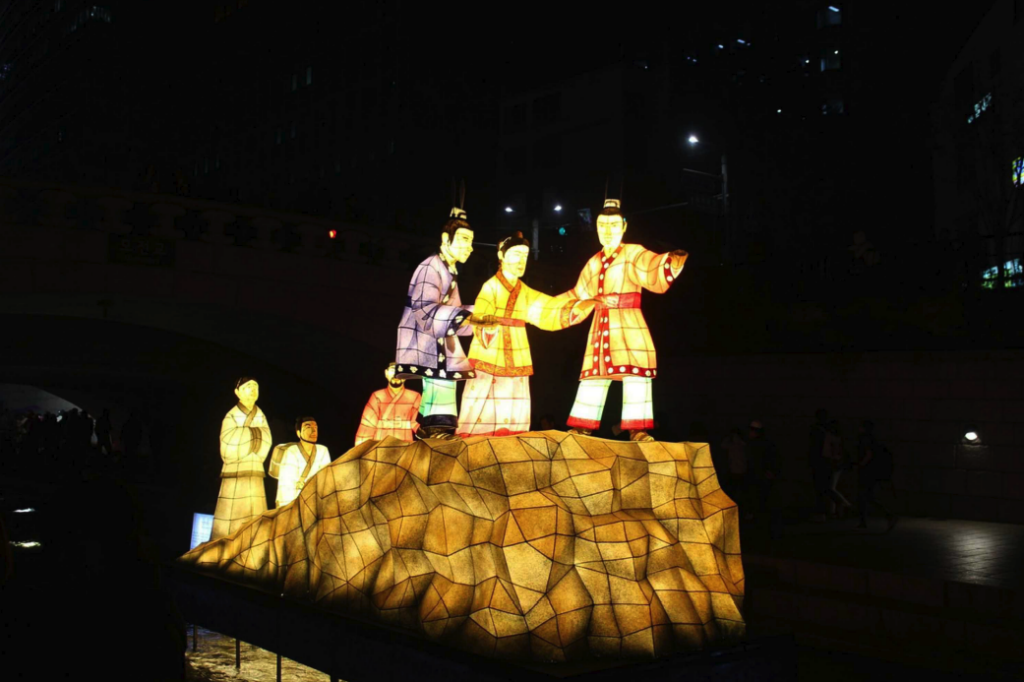
- Seoul Lantern Festival (Seoul): In early August, the Cheonggyecheon Stream lights up with colorful lanterns in this family-friendly event, featuring intricate lantern displays and cultural performances.
- Daegu Chimac Festival (Daegu): A July celebration of fried chicken (chim) and beer (mac), this fun festival includes food stalls, music, and games.
- Pohang International Fireworks Festival (Pohang): This early July festival features dazzling fireworks over Pohang Bay, accompanied by food trucks, live music, and a festive atmosphere.
Autumn (September-November)
- Andong Mask Dance Festival (Andong): Held in late September, this UNESCO festival showcases traditional mask dances, with performances, workshops, and cultural events in the Hahoe Folk Village.
- Chuseok (Nationwide): Celebrated in September/October, Chuseok is Korea’s harvest festival. Families honor ancestors with rituals, enjoy songpyeon rice cakes, and play traditional games like ssireum wrestling.
- Jeonju Hanji Festival (Jeonju): In October, this festival celebrates hanji(Korean paper-making) with workshops, art exhibitions, and performances in the picturesque Hanok Village.
- Gwangju Kimchi Festival (Gwangju): Held in October, this festival celebrates kimchi with tastings, workshops, and performances, offering a deep dive into Korean food culture.
- Boseong Green Tea Festival (Boseong): In October, this festival celebrates the green tea harvest with plantation tours, tea ceremonies, and cultural displays.
- Seoul Lantern Festival (Seoul): In early November, the Cheonggyecheon Stream is lit with colorful lanterns, offering a beautiful setting for cultural performances and a stroll through the illuminated displays.
Winter (December-February)
- Seoul Kimchi Making & Sharing Festival (Seoul): Held in December, visitors make kimchi to share with those in need, celebrating Korean food culture.
- Ice Fishing Festival (Hwacheon): In January, visitors try ice fishing, enjoy snow sledding, and warm up with traditional Korean snacks.
- Pyeongchang Trout Festival (Pyeongchang): This January festival features ice fishing, sledding, and local cuisine, set in the winter sports capital of Korea.
- Daegwallyeong Snow Festival (Pyeongchang): Held in January, this festival offers snow sculptures, sledding, and snowball fights for families.
- Hwacheon Sancheoneo Ice Festival (Hwacheon): In January, ice fishing for mountain trout and other winter activities make this a unique celebration.
- Seollal (Nationwide): Celebrated in January or February, Korea’s New Year involves family gatherings, traditional games, and eating tteokguk(rice cake soup).
19. Living in Korea
Housing and Living Cost
The cost of living in South Korea can also vary based on location and lifestyle. Housing is typically the largest expense, with cities like Seoul having higher rents compared to smaller towns or rural areas. In Seoul, you can expect to pay around 500,000 to 700,000 KRW ($375 – $525 USD) per month for a one-room apartment outside the city center. In central areas, rent can start from 1,000,000 KRW ($750 USD) or more. Utilities such as electricity, gas, and water usually cost around 150,000 KRW ($115 USD) per month. Groceries and daily living expenses are somewhat affordable compared to the US. A single person’s monthly expenses, excluding rent, might range around 1,200,000 KRW ($900 USD).
Health and Education Facilities
South Korea has a well-established healthcare system, with both public and private hospitals providing high-quality care. Health insurance is mandatory and ensures that a significant portion of healthcare costs is covered. Schools focus on academic excellence, with an intense emphasis on entrance exams and national education standards. Special needs education programs are widely available, offering support for students with disabilities or learning challenges. While the education system is competitive, South Korea also provides a variety of extracurricular activities and community-based support. Overall, South Korea’s healthcare and education systems are known for their efficiency and effectiveness.

20. Doing Business in Korea
Economy in Korea:
The South Korean economy is a dynamic and export-driven powerhouse. It ranks as the 10th largest economy in the world by nominal GDP and is a global leader in technology, particularly in semiconductors, smartphones, and automotive industries. The country benefits from strong international trade and investment, particularly from its robust ties with major markets like the United States and China. Despite its success, South Korea faces challenges such as low birth rates and an aging population, which could strain its workforce and social welfare systems in the future. Economic growth has been steady but slowed in recent years, hovering around 2% annually.
Additionally, income inequality and youth unemployment remain issues. The government’s efforts to diversify the economy and boost innovation are crucial for long-term stability. South Korea’s strong manufacturing base, high-tech industries, and resilient workforce position it for continued success, although it must navigate these domestic challenges.
Political overview:
South Korea’s political system is a democratic republic with a presidential form of government.
The President, elected for a single five-year term, holds significant executive power and serves as both the head of state and government. The National Assembly is a unicameral legislature, with members elected every four years through a mixed system of direct and proportional representation. South Korea’s political landscape is marked by a multi-party system, with the two main political parties being the Democratic Party of Korea (DPK) and the People Power Party (PPP).
Despite a high level of political engagement and regular elections, South Korea’s political system faces issues like deep political polarization, corruption scandals, and challenges related to youth unemployment and aging demographics. Voter turnout is generally high, and the country is known for its vibrant democracy, though concerns remain regarding political reform and the influence of powerful business conglomerates (chaebols) on governance. South Korea is considered a stable democracy, but ongoing efforts are needed to address social inequality and ensure greater political transparency.
Legal in South Korea:
South Korea’s legal system is also based on a civil law system, similar to Japan, where codified statutes and regulations serve as the primary source of law. The Constitution of South Korea establishes the framework for the legal system and guarantees fundamental rights. Here’s a breakdown of key sources in South Korea:
- Sources of Law
- Constitution:
The Constitution of South Korea, enacted in 1948, is the supreme law of the land. It guarantees individual freedoms, outlines the structure of government, and establishes the core principles that all other laws must follow. - Legislation:
- Codes: South Korea has a number of key legal codes that govern various areas of law:
- Civil Code (Minbeob)
- Criminal Code (Beobeob
- Code of Civil Procedure (Minjiso)
- Code of Criminal Procedure (Beobjiso)
- Commercial Code (Jeongchaekbeob)
- Statutes: Numerous laws passed by the National Assembly (South Korea’s parliament) cover more specific legal matters outside the scope of the core codes.
- Presidential Decrees and Administrative Rules: These are regulations issued by the executive branch to implement and interpret laws passed by the legislature.
- Constitution:
Hierarchy and Precedence
South Korean law follows a clear hierarchy. The Constitution is the highest law, followed by statutes and presidential decrees. In cases of conflict, more specific statutes or regulations take precedence over general laws (e.g., Commercial Law prevails in matters of business over Civil Law).
Court Decisions (Limited Role)
While South Korea’s legal system doesn’t rely on precedent to the same extent as common law systems, decisions from higher courts, particularly the Constitutional Court and the Supreme Court, can influence the interpretation of laws. However, South Korea does not strictly follow stare decisis, and court decisions are not binding in the same way as in common law jurisdictions.
Court rulings are typically focused on interpreting existing statutes and the Constitution rather than creating new law.
21. Court System in Korea
South Korea’s court system is structured similarly to Japan’s, with a multi-tiered system to handle various types of cases and appeals. Here’s a breakdown:
- Summary Courts (지방법원 [Jibangbeobwon]):
The lowest level, dealing with minor civil cases (claims under ₩20 million) and criminal offenses with lighter penalties (fines or short-term imprisonment). - Presided over by a single judge.
Handles civil case appeals to district courts and criminal case appeals to high courts - Family Courts (가정법원 [Gajeongbeobwon]):
Deal with family-related issues such as divorce, child custody, domestic violence, and family disputes. - Presided over by a single judge specializing in family law.
- Appeals from family courts go to high courts.
- District Courts (지방법원 [Jibangbeobwon]):
- The first-instance courts for most civil and criminal cases not handled by summary courts.
- Typically presided over by a panel of judges, with single judges for simpler cases and a panel for more complex matters.
- Appeals from district courts (civil) go to high courts, while criminal case appeals are directed to the Supreme Court.
- High Courts (고등법원 [Godeungbeobwon]):
- Primarily appellate courts, reviewing decisions from district and family courts.
- Presided over by multiple judges who deliberate in panels
- Appeals from high courts go to the Supreme Court.
- Supreme Court (대법원 [Daebeobwon]):
- The highest court in South Korea, with the final say on legal matters
- Hears appeals from high courts (most common), as well as specific cases directly from lower courts as specified in procedural laws.
- Composed of a Chief Justice and 13 Justices, with a Grand Bench (all 14 justices) and smaller panels (usually 5 justices) handling various cases.
22. Key Characteristic of Law in Korea
Key Characteristics of South Korea’s Legal Landscape
Democratic Foundations: South Korea’s legal system is founded on democratic principles that emphasize individual rights and freedoms. The Constitution of the Republic of Korea, adopted in 1948, provides a strong framework for protecting human rights, with clear guarantees for personal freedoms, equality, and the right to participate in governance.
Human Rights Protections: The Constitution guarantees fundamental rights such as freedom of speech, freedom of assembly, and freedom of religion. It also ensures equality before the law, protecting citizens from discrimination based on gender, race, or social status. South Korea places a high priority on individual rights and liberties, especially in a post-authoritarian society.
Rule of Law: South Korea has a robust legal system based on the rule of law. The judiciary operates independently, and laws are enforced consistently, with a strong tradition of upholding the rights of individuals. The country has a civil law legal tradition, influenced by German and French legal systems, which is characterized by codified laws and comprehensive statutes.
Constitutional Court: One of the key features of South Korea’s legal system is the Constitutional Court, which reviews the constitutionality of laws and governmental actions, ensuring that the government adheres to the principles enshrined in the Constitution.
Influence of Confucianism: South Korea’s legal and social norms are significantly influenced by Confucian values, which emphasize respect for authority, family values, and the importance of social harmony. This influence is seen in the way laws are applied in areas such as family law and inheritance, as well as in social expectations.
Collective Responsibility: Much like Japan, South Korea values collective responsibility, where individuals are expected to consider the broader social consequences of their actions. This can influence legal outcomes, particularly in criminal law and corporate governance, where there is a tendency to hold companies accountable for the actions of their executives or employees.
Dynamic Business Law: South Korea has a well-developed legal framework for business and commerce, characterized by a balance between regulation and innovation. The country has rapidly adapted to changing global markets and technologies, with laws designed to facilitate entrepreneurship while ensuring consumer protection and fair competition.
Corporate Governance: South Korea has seen significant reform in corporate governance, particularly in large family-controlled conglomerates known as “chaebols.” Laws have been enacted to increase transparency, reduce corruption, and improve accountability in these powerful business groups.
Competition Law: The Fair Trade Commission (FTC) plays a vital role in maintaining fair competition and preventing monopolistic practices. The country’s competition laws are designed to foster a competitive market economy.
3.4 Uniqueness System in South Korea
Emphasis on Group Harmony: Like Japan, South Korea places significant value on maintaining harmony within groups. This is reflected in both social and legal contexts, where conflicts are often resolved through mediation and negotiation rather than litigation.
Social Pressure: There is strong social pressure to conform to group expectations, and this is often mirrored in the legal realm, particularly in areas such as corporate responsibility and family law.
Hierarchy and Respect for Authority: South Korean society places a high value on hierarchy and respect for authority figures. This is reflected in legal practices, where the role of judges and senior legal professionals is highly respected, and deference is often shown in legal proceedings.
Legal vs. Social Norms: While South Korea has a clear and codified legal system, social norms and informal expectations often play a significant role in guiding behavior. These informal norms can sometimes influence how laws are interpreted and enforced, particularly in sensitive areas such as family law and business practices.
South Korea Investment Corporation (KIC)
Seoraksan National Park, located in the northeastern part of South Korea, is famous for its dramatic mountain peaks, crystal-clear streams, and diverse plant life. The park’s most iconic feature is Seoraksan (Mount Seorak), known for its stunning granite peaks and vibrant foliage, especially in autumn. The park also offers numerous hiking trails, including a popular route to the summit of Daecheongbong Peak. Visitors can explore tranquil temples like Sinheungsa and enjoy picturesque waterfalls such as Biryong Falls. Established in 1970, Seoraksan National Park is a UNESCO Biosphere Reserve and is one of the most visited parks in South Korea.
The Korea Investment Corporation (KIC)is a sovereign wealth fund established in 2005 to manage South Korea’s foreign reserves and invest in global financial markets. Its main purpose is to diversify South Korea’s investment portfolio and promote the stability of its financial system.
Mission and Vision
KIC’s mission is to enhance the financial security of South Korea by making strategic, long-term investments and optimizing returns for the country’s future needs. The KIC focuses on:
- Global Investment Strategy: KIC aims to manage and grow South Korea’s foreign reserves through diversified investments in both developed and emerging markets.
- Research and Innovation: The organization invests in emerging industries, such as AI, robotics, and renewable energy, to maintain South Korea’s economic growth and technological leadership.
Investment Focus
KIC focuses on investments in various asset classes, including:
- Equities: Both domestic and international stocks.
- Fixed Income: Bonds, government debt, and other fixed-income instruments
- Private Equity: Investments in venture capital and private companies
- Real Assets: Real estate and infrastructure investments.
- Alternative Investments: Including hedge funds and commodities
Structure
KIC operates as a fully independent government entity, managed by a professional team of investment experts. Its investments aim to ensure long-term financial stability for South Korea, contributing to its overall economic resilience.
23. Investing in Korea
Establishing a Company in South Korea as a Foreigner.
Setting up a business in South Korea as a foreigner offers various opportunities due to its dynamic economy, favorable business climate, and strategic location in East Asia. However, there are key steps to follow to ensure a successful establishment of your company.
- Secure the Proper Visa:
Visa (Foreign Investment Visa): This visa is designed for foreign nationals who plan to invest in South Korea and establish a company. It is initially issued for one year, with the possibility of extension.
Start-Up Visa (D-10): Aimed at foreign entrepreneurs, this visa is granted to individuals with a business plan that can contribute to job creation and innovation. It offers a more flexible path for foreigners interested in launching a new business.
It’s advisable to consult an immigration lawyer to determine the most appropriate visa based on your specific circumstances.
- Find a Registered Office:
To establish a legal entity in South Korea, you need to secure a physical office or a registered address. Using a virtual office is also an option, but a physical address is essential for official business registration. - Prepare the Articles of Incorporation:
This document defines the structure and objectives of your business and includes:- Company name (in both English and Korean)
- Business objectives
- Capital amount
- Shareholders and directors (including their nationalities and residency status)
- Notarize the Articles of Incorporation:
You must have the Articles of Incorporation notarized and, if necessary, legalized through the Korean embassy or consulate in your home country. - Deposit the Initial Capital:
South Korea does not require a minimum capital for most types of businesses. However, certain industries or company structures may have capital requirements. Typically, a deposit of around 100 million Korean Won (approximately $75,000 USD) is expected for a foreign-invested enterprise. - Gather Required Documents:
- Completed business registration application
- Articles of Incorporation (notarized and legalized)
- Proof of registered office address
- Proof of initial capital deposit
- Passport copies of shareholders and directors
- Business license application form
- File for Business Registration:
Submit the application along with all required documents to the local District Court or the Business Registration Office. The process typically takes around 1-2 weeks. - Obtain Business Licenses and Permits:
Certain industries, such as food, pharmaceuticals, education, and finance, may require additional licenses or permits. It’s important to consult with a local business consultant or lawyer to ensure compliance.
Additional Considerations:
Tax Registration: Register your company with the National Tax Service (NTS) for tax purposes. This includes corporate tax and value-added tax (VAT) registration.
Accounting and Bookkeeping: Establish a system for managing finances. It’s recommended to hire a professional accountant familiar with South Korean business regulations.
Legal and Business Support: Seek legal assistance from professionals who specialize in foreign businesses in South Korea to navigate local laws, tax obligations, and business practices.
Investing in South Korea
South Korea is a major economic hub in Asia with a highly advanced infrastructure, a talented workforce, and a strong commitment to innovation. Here are several reasons why South Korea is an attractive destination for foreign investors:
- Stable and Transparent Market:
South Korea boasts a stable and transparent market with strong legal protections, including a reliable judicial system that enforces intellectual property rights and business contracts effectively. - Thriving Innovation Ecosystem:
South Korea is a global leader in research and development, particularly in industries like technology, electronics, and automotive manufacturing. This culture of innovation creates many opportunities for foreign investment in cutting-edge sectors like artificial intelligence, semiconductors, and robotics. - Highly Skilled Workforce:
South Korea’s education system produces a skilled, well-educated workforce. The country has a high rate of tertiary education completion, particularly in fields such as engineering, technology, and business, which benefits foreign investors seeking qualified labor. - Advanced Infrastructure:
The country has one of the most efficient and modern infrastructures in the world, including excellent transportation networks, cutting-edge communication systems, and robust energy systems, making it easy to set up and operate a business - High Quality of Life:
South Korea offers a high standard of living, and its major cities, especially Seoul, are known for their safety, healthcare, and modern amenities. This makes it an attractive place for both expatriates and business professionals. - Strategic Location:
South Korea’s location in East Asia offers easy access to key global markets, including China, Japan, and Southeast Asia. This makes it a strategic hub for regional trade and expansion. - Government Support:
The South Korean government actively supports foreign investment through various incentives, including tax breaks, subsidies for research and development, and favorable regulatory frameworks for foreign companies.
Investment Opportunities in South Korea
South Korea offers numerous investment opportunities in various high-growth sectors. Here are some of the most promising industries:
- Technology Sectors:
Semiconductors: South Korea is home to some of the world’s leading semiconductor companies, including Samsung and SK Hynix, making it a key area for investment.
Artificial Intelligence (AI): South Korea is investing heavily in AI, with government initiatives and private companies driving innovation in this space.
5G and Telecommunications: The country is at the forefront of 5G technology, offering new opportunities in telecom infrastructure and services.
Robotics: South Korea’s strong manufacturing base and focus on automation make robotics a growing investment sector. - Life Sciences and Healthcare:
The aging population in South Korea is creating demand for healthcare services and pharmaceutical products. The country’s advanced medical technologies and biotechnology sector present attractive investment opportunities. - Green Energy and Environmental Technology:
With its commitment to reducing carbon emissions, South Korea is heavily investing in renewable energy, electric vehicles, and sustainable technologies. The government provides incentives for clean energy investments. - Consumer Goods:
South Korea has a highly sophisticated consumer market, with a strong preference for quality products. The growing middle class and the rise of online retail present opportunities in consumer goods, fashion, and electronics. - Entertainment and Media:
K-pop, Korean dramas, and films have gained international popularity, and South Korea is a global leader in the entertainment industry. Investment in media production, digital content, and distribution is a promising area.
Getting Started:
There are several ways to invest in South Korea, depending on your risk tolerance and investment objectives:
Korean Stock Market: Foreigners can directly invest in the South Korean stock market through the Korea Exchange (KRX), with ETFs, stocks, and bonds.
Private Equity & Venture Capital: Investing in South Korea’s growing tech and start-up ecosystem through venture capital or private equity is an attractive option for high-risk, high-reward
investors.
Real Estate: Real estate investments in major cities, especially in Seoul, can be a stable income generating opportunity due to the growing demand for residential and commercial properties.
Mutual Funds and ETFs: If you’re looking for a less hands-on approach, investing in mutual funds or exchange-traded funds (ETFs) focused on the South Korean market offers a diversified exposure
to the country’s economy.
Important Considerations:
Language and Cultural Differences: Understanding South Korean business culture, including hierarchy and relationships, is essential for successful business operations.
Regulatory Environment: Foreign investors should be aware of regulations around foreign direct investment (FDI), intellectual property rights, and business practices.
Economic Fluctuations: While South Korea is a stable economy, market conditions can fluctuate, so it’s important to stay informed on economic trends and policy changes.
24. Korean Mega Projects
Transportation:Incheon Airport Terminal 2 Expansion:
- Project: Enhancing capacity and passenger experience.
- Key Features: Automated systems, biometrics, eco-friendly design.
- Completion: Full expansion by 2025.
KTX High-Speed Rail Expansion:
- New routes, like the Gwangju-Busan line, to reduce travel times.
- Key Features: Ultra-high-speed technology and automated safety.
- Completion: Gwangju-Busan line by 2027.
Urban Development:
Songdo International Business District (IBD):
- Project: Smart city development with residential, commercial, and eco-friendly designs.
- Completion: Ongoing, with completion by 2025.
Lotte World Tower:
- Project: South Korea’s tallest building with mixed-use spaces.
- Completion: Completed in 2016, ongoing urban development.
Smart City Initiatives:
Seoul Smart City:
- Project: Data-driven urban management, 5G network, IoT, and AI.
- Completion: Full implementation by 2025.
Ubiquitous City (U-City):
- Project: Smart homes, automated transport, and real-time environmental monitoring.
- Completion: Nationwide rollout by 2027.
Energy and Environment:
Green New Deal & Renewable Energy:
- Project: Solar and wind farms, energy storage systems.
- Completion: Full capacity by 2030.
Seawater Desalination:
- Project: Desalination plants to address water scarcity.
- Completion: First plants operational by 2025.
Logistics and Industrial Hubs:
Incheon Free Economic Zone (IFEZ):
- Project: A global business hub with incentives for foreign investment.
- Completion: Key projects by 2025.
25. Immigration
South Korea Investor Visa (D-8 Visa)
Investment Amount:
- Minimum of KRW 100 million(approximately $75,000 USD) required for investment.
Business Requirements:
- Must establish a business in South Korea or hold a senior management position in an existing company.
- Business should contribute to the South Korean economy by creating jobs, boosting technology, or enhancing international trade.
- Submit a business plan that outlines the investment and projected growth of the company.
Employment Requirements:
- Must hire at least two full-time employees who are South Korean nationals or permanent residents.
Additional Requirements:
- Proof of sufficient income to support yourself and your dependents in South Korea.
- The business must be actively operating and generating revenue.
Visa Validity and Renewal:
- The visa is typically valid for two years and can be renewed as long as business operations continue and meet requirements.
- Renewal is based on maintaining the investment and fulfilling employment and business requirements.
Permanent Residency:
- Eligibility for permanent residency after five years of holding the Investor Visa (D-8), provided the business is successful and continues to meet employment and investment thresholds.
- Can apply for permanent residency after five years with continued business operations.
Citizenship:
- Eligibility for citizenship can be applied for after five years of residency, but South Korea does not recognize dual citizenship, so applicants must be willing to renounce their original citizenship.
26. Tax for Foreign Investor
Taxes for Foreign Investors and Employees in South KoreaForeign Investors:
Income Source:
- Taxes on income generated in South Korea depend on the type of investment income. Common
- taxes include:
- Dividends: Subject to a 15% withholding tax.
- Interest: 15% withholding taxon income from South Korean sources.
- Royalties: Subject to 15% withholding tax.
- Capital Gains: Capital gains tax applies if you sell real estate or shares in a South Korean company, with rates typically at 22%for real estate and 11%for shares.
Tax Treaties:
South Korea has tax treaties with many countries, which can reduce or eliminate withholding tax rates on dividends, interest, and royalties.
Tax Returns:
Foreign investors are not required to file tax returns unless they have rental income, gain capital from sales of real estate or shares, or wish to claim a tax refund.
Foreign Employees:
Residency Status:
- Resident: Expats who stay in South Korea for more than 183 days in a tax year are considered residents. They are taxed on worldwide income with progressive rates ranging from 6% to 45%.
- Non-Resident: Expats staying less than 183 days are non-residents and their South Korean employment income is taxed at a flat rate of 20%.
Income Tax Rates for Residents:
- Income Tax Brackets: Progressive rates for individuals:
- 6% on income up to KRW 12 million
- 15% on income from KRW 12 million to KRW 46 million
- 24% on income from KRW 46 million to KRW 88 million
- 35% on income from KRW 88 million to KRW 150 million
- 38% on income from KRW 150 million to KRW 300 million
- 40% on income from KRW 300 million to KRW 500 million
- 42% on income above KRW 500 million
Social Security:
Foreign employees are subject to South Korea’s social security system(National Pension, Health Insurance, and Employment Insurance) unless they are exempt based on their home country’s agreements with South Korea.
Additional Points:
- Filing for Non-Residents: Non-residents may need to file a tax return if they have income from multiple sources in South Korea or exceed certain income thresholds.
- Professional Advice: Tax laws can be complex. It is advisable to consult a tax professional familiar with South Korea’s tax system to ensure compliance and optimize tax liabilities.
Resources for Further Information:
- National Tax Service (NTS) of Korea: www.nts.go.kr
- PwC South Korea Tax Guide: www.pwc.com/kr